Bungalow classroom
In recent years, educational institutions have been exploring various classroom designs to meet the growing demands of student populations and modern teaching methods. One solution that has gained significant popularity is the bungalow classroom setup. Schools increasingly opt for bungalow classrooms due to their flexibility, cost-effectiveness, and the practical advantages they offer in accommodating diverse learning needs. Unlike traditional multi-story buildings, bungalow classrooms are single-story structures, which make them ideal for quick deployment, easier management, and creating a conducive learning environment. Understanding why schools choose bungalow classroom setups can provide insight into how institutions are adapting to evolving educational requirements.
One primary reason schools favor bungalow classrooms is their simplicity in design and ease of construction. These single-level structures can be built quickly, reducing the time required to expand school facilities. This is particularly advantageous for schools facing sudden increases in enrollment or needing temporary classrooms during renovations. The straightforward architecture of bungalow classrooms allows construction teams to complete projects faster, ensuring that learning spaces are available with minimal disruption. Moreover, the simplicity of the design translates to lower construction costs compared to multi-story buildings, making it a financially viable option for schools operating within tight budgets.
Accessibility is another significant factor driving the adoption of bungalow classroom setups. Single-story structures are inherently easier to navigate for all students, including those with mobility challenges. There is no need for elevators or staircases, which reduces maintenance requirements and ensures that students can move safely and freely throughout the building. This feature is particularly valuable for younger students or institutions that prioritize inclusivity. Schools that invest in bungalow classrooms can provide an environment that is both safe and user-friendly, supporting the overall wellbeing of their students.
Flexibility and scalability also make bungalow classrooms attractive to educational institutions. These structures can be designed in various configurations to accommodate different class sizes or learning purposes. Schools can opt for multiple small classrooms or combine spaces into larger learning areas, depending on their specific requirements. Additionally, bungalow classrooms can be expanded horizontally by adding adjacent units without major structural modifications. This adaptability allows schools to respond to changing enrollment numbers or curricular needs efficiently, providing a long-term solution without committing to complex construction projects.
The learning environment itself benefits from the bungalow classroom setup. Being single-story, these classrooms can offer better ventilation, natural lighting, and more open space compared to multi-story alternatives. Large windows and wide doorways can be incorporated to create an airy, well-lit interior that promotes concentration and comfort for students. In addition, the layout allows for easier supervision by teachers, as they can monitor students more effectively in an open, accessible space. The improved learning atmosphere contributes positively to student engagement and academic performance, making bungalow classrooms a preferred choice for many schools.
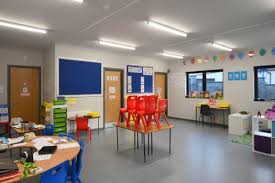
Why do schools choose bungalow classroom setups?
Cost-effectiveness remains a key consideration for educational administrators when selecting classroom designs. Bungalow classrooms typically require less material for construction and fewer resources for maintenance. Energy efficiency is often better in single-story buildings, as heating, cooling, and lighting can be managed more effectively. These financial advantages make bungalow classrooms an appealing option for both public and private schools, particularly those seeking to maximize their resources while providing high-quality learning spaces. The reduced operational costs, combined with the ability to quickly implement the design, make bungalow classrooms a practical investment.
Safety considerations further reinforce the popularity of bungalow classroom setups. Being single-level, these buildings reduce the risk of accidents associated with staircases or high-rise structures. Emergency evacuations can be executed more efficiently, and accessibility to emergency services is simplified. In addition, the robust construction of modern bungalow classrooms ensures structural stability, making them resistant to environmental challenges such as strong winds or minor earthquakes. Parents and educators alike often feel more confident in the safety of single-story classrooms, which enhances overall trust in the school’s infrastructure.
Another factor influencing the choice of bungalow classrooms is the ease of integrating modern technology and amenities. These structures can be equipped with smart boards, projectors, air conditioning, and internet access, just like conventional classrooms. The horizontal layout allows for efficient placement of electrical and networking systems, while flexible interior design options accommodate different teaching styles. Schools can create interactive and tech-enabled learning spaces without compromising on the comfort or functionality of the classroom.
In conclusion, schools choose bungalow classroom setups for a combination of practical, financial, and pedagogical reasons. Their simplicity, cost-effectiveness, and accessibility make them an ideal solution for both temporary and permanent classroom needs. The flexibility in design, ability to expand, and suitability for modern learning environments further enhance their appeal. Bungalow classrooms provide safe, comfortable, and adaptable spaces where students can thrive, while also allowing schools to manage resources efficiently. As educational demands continue to evolve, bungalow classrooms offer a reliable and versatile option for institutions looking to optimize their learning environments quickly and effectively.
