common materials used in mold die casting
The selection of materials is a fundamental aspect of mold die casting, directly influencing the final product’s properties, cost, and suitability for specific applications. While a broad range of alloys can technically be cast, the process primarily utilizes non-ferrous metals due to their lower melting points, excellent flow characteristics, and ability to fill intricate mold cavities under high pressure. Understanding the common materials employed in mold die casting is crucial for designers and manufacturers aiming to achieve optimal performance and efficiency in their components.
Among the most prevalent materials used in mold die casting, aluminum alloys stand out for their excellent strength-to-weight ratio, corrosion resistance, and thermal and electrical conductivity. Aluminum castings are ubiquitous in the automotive industry for engine components, brackets, and housings, as well as in electronics for heat sinks and consumer goods. Specific aluminum alloys like A380 are widely favored for their good castability and mechanical properties, making them a versatile choice for a variety of applications where a balance of strength, weight, and cost is required.
Zinc alloys represent another cornerstone of mold die casting, particularly for components requiring high strength, exceptional dimensional accuracy, and excellent surface finish. Zinc alloys, such as Zamak series, possess a low melting point, which allows for longer die life and reduced energy consumption compared to higher melting point alloys. Their superior fluidity ensures that even complex, thin-walled parts can be filled completely, making them ideal for intricate electronic enclosures, decorative hardware, and components with very tight tolerances. The ability to chrome plate or paint zinc castings further enhances their appeal for aesthetic applications.
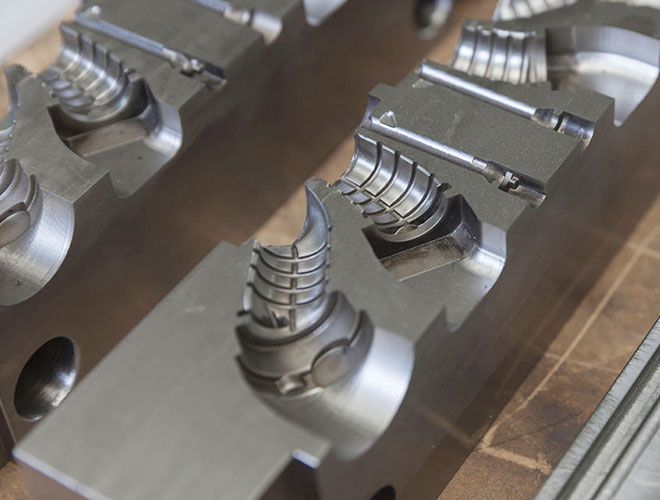
What are the common materials used in mold die casting?
Magnesium alloys are increasingly gaining traction in mold die casting due to their incredibly low density, making them the lightest structural metal available. This characteristic is highly desirable in applications where weight reduction is paramount, such as in aerospace, portable electronics, and high-performance automotive parts. While magnesium alloys can be more reactive and require specific handling during the casting process, ongoing advancements in alloy development and casting techniques are expanding their applicability, offering a compelling balance of strength and extreme lightness.
The choice of material for mold die casting is not merely about the finished part’s properties; it also significantly impacts the die itself. The lifespan of a die, typically made from hardened tool steel, is directly affected by the molten metal’s temperature, abrasiveness, and corrosive properties. Collaborating closely with a specialized die casting mold factory during the design and material selection phases can lead to optimized die designs that extend tool life, reduce maintenance, and ultimately lower overall production costs. Their expertise ensures the die material is robust enough to withstand the rigors of casting the chosen alloy.
Beyond aluminum, zinc, and magnesium, other materials are occasionally used in mold die casting, including copper alloys for electrical components requiring high conductivity, and even some lead and tin-based alloys for specific, niche applications. However, the triumvirate of aluminum, zinc, and magnesium dominates the landscape of mold die casting due to their optimal balance of castability, mechanical properties, and economic viability. The continuous evolution of these alloys and the development of new casting techniques ensure that mold die casting remains a vital and adaptable manufacturing process for a vast array of industrial and consumer products.
